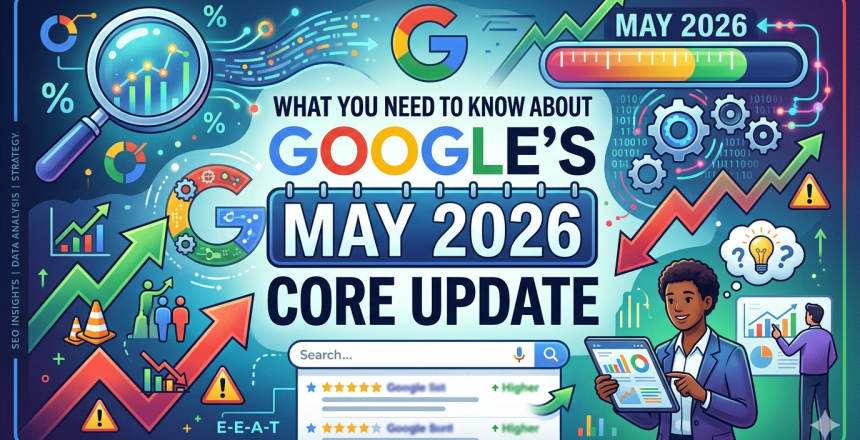
On May 21, 2026, Google rolled out its latest Core Update, introducing shifts that reflect ongoing advancements in search technology. These updates are designed to refine how information is evaluated, with a stronger focus on aligning search results with user needs. Notably, Google has deepened its integration of AI, leveraging machine learning to interpret search intent better and deliver more accurate results. This evolution underscores the growing importance of crafting content that is not only high-quality but also strategically aligned with how users interact with search engines. Changes in visibility or traffic may stem from how effectively a website meets these updated standards. As AI continues to shape search experiences, staying informed and adaptive is critical to maintaining a competitive edge in the online space.
Key Factors Influencing Website Rankings
Content quality remains a foundational factor in rankings, but it’s no longer just about well-written articles. The emphasis now is on creating material that deeply aligns with user intent and delivers actionable value. Authority signals, such as high-quality backlinks and consistent evidence of expertise, are critical to establishing credibility. Websites that build trust and reliability through clear, accurate, and relevant information often perform better. Additionally, aligning content with evolving search behaviors, including how users interact with AI-powered features, has become increasingly important. Search engines favor sites that demonstrate a strong understanding of their audience’s expectations while remaining adaptable to changes in the digital landscape.
AI and User Intent In Search Experiences
AI is transforming how search engines interpret and prioritize user intent, demanding a deeper focus on understanding the motivations behind searches. Rather than relying solely on keyword optimization, websites now need to provide content that anticipates and addresses user expectations in a meaningful way. This requires a more precise understanding of audience behavior, including how users interact with emerging AI-driven features such as dynamic summaries or conversational search. The better your content aligns with these nuanced search patterns, the more likely it is to achieve visibility. As AI continues to refine its predictive capabilities, search rankings increasingly favor content that not only informs but also mirrors the context and goals of user queries. Staying aligned with this shift is key to maintaining relevance in a highly competitive digital landscape.
Analyzing Changes In Website Metrics
After a core update, examining shifts in your website’s metrics can reveal valuable patterns. Look beyond overall traffic numbers to assess traffic quality—are users staying longer, engaging more, or converting at different rates? Variations in click-through rates may indicate changes in how your pages appear in search results or shifts in how relevant your content is to new queries. Fluctuations in branded search volume can offer clues about how your visibility and perception are evolving. Pay close attention to user behavior across pages, as small shifts in interaction trends may signal where adjustments could better align with updated search signals. Carefully tracking these metrics will help you identify what’s working and where your strategy might need refinement to meet the demands of the latest algorithm changes.
Avoiding Common Mistakes During Core Updates
It’s natural to feel the urge to act quickly when you notice fluctuations during a core update, but a measured approach is essential. Making abrupt changes to your content or site structure without fully understanding the impact of the update can disrupt what’s already working. Focus on gathering accurate data and identifying meaningful trends before making adjustments. Analyze key metrics, such as user engagement and conversion rates, to pinpoint areas needing attention. Avoid the temptation to over-optimize or chase immediate fixes, as this can backfire if the update’s effects aren’t yet fully understood. Prioritizing thoughtful analysis over impulsive changes lets you respond with precision and confidence, aligning your strategy more effectively with the updated search environment.
Adapting Your SEO Strategy Post-Update
After a core update, refining your SEO strategy requires a clear understanding of how the changes affect search behavior and ranking priorities. Begin by assessing content gaps and areas where your website may not fully align with updated user expectations. Focus on delivering value through targeted, relevant content that meets audience needs and integrates seamlessly with emerging AI-driven search features. Evaluate your site’s technical health to ensure optimal performance and accessibility. Strengthen your authority signals by building connections with trusted, credible sources in your industry. Maintaining flexibility and a commitment to ongoing analysis will help you stay aligned with evolving search algorithms and ensure long-term growth in an ever-changing digital landscape.